After the Blister: What Repackaging Does to a Medicine in a UK Compliance Aid
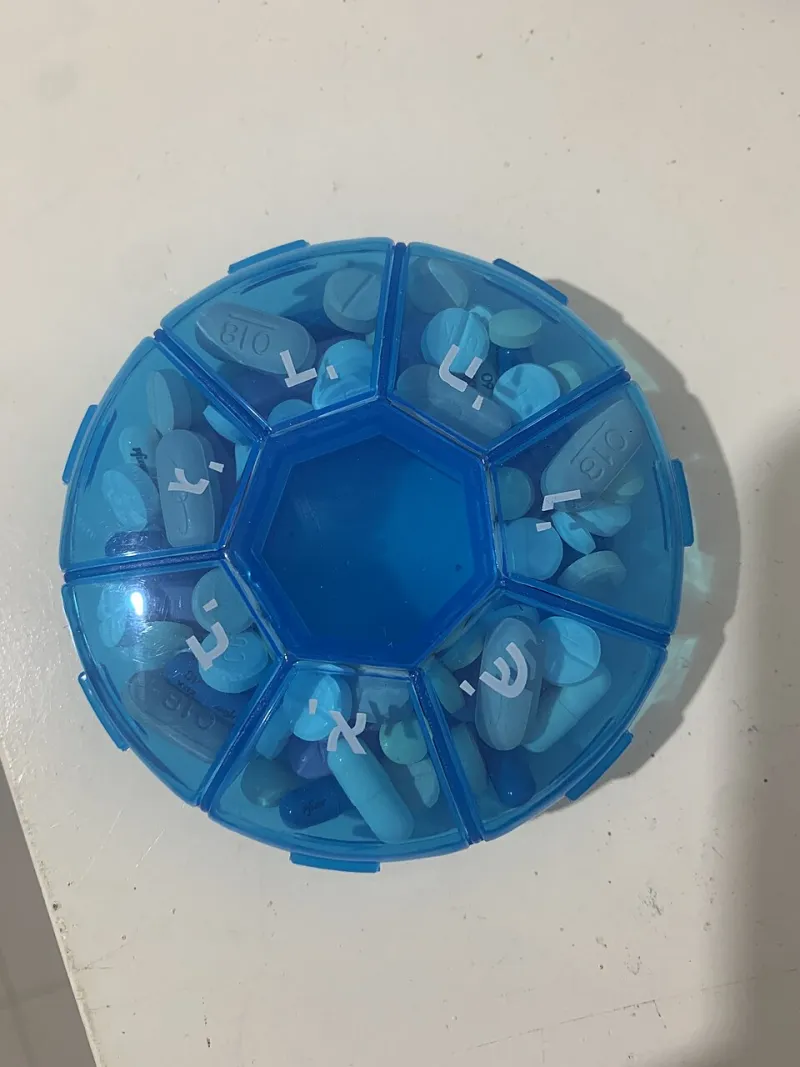
Photo: יוחי טייס, CC BY-SA 4.0, via Wikimedia Commons
Multi-compartment compliance aids, often called dosette boxes, are a familiar sight on UK kitchen tables and in care homes. They can turn a confusing set of packets into a single weekly routine. But a filled tray is not simply the same medicine in a more convenient container. Once a tablet leaves its original blister or bottle, it loses the packaging that was designed to protect it, the batch information printed on the carton and, often, the patient leaflet that travelled with it.
That does not make compliance aids unsafe. It does mean they deserve the same careful thought as any other part of prescribing. In 2026, with pharmacy teams under pressure and more people managing several long-term medicines at home, the practical question is not whether trays are useful. It is whether a tray is the right system for this medicine, this patient and this period of time.
A tray is a delivery system, not a storage system
A multi-compartment compliance aid is assembled by a pharmacy or a supplying care provider. Its purpose is to organise doses, not to recreate the original pack. The original blister or bottle has been tested with the medicine inside it. It may include a moisture barrier, a light-resistant layer, a desiccant or an oxygen absorber. The carton carries the batch number and expiry date. The leaflet carries dose instructions, warnings and storage advice.
When tablets are decanted, some of that information moves to the pharmacy record and the tray label. That is acceptable for day-to-day use, provided the record is accurate and the label is clear. But it is not the same as having the original pack at the bedside. If a tablet is later found loose in a drawer, or a carer needs to check a batch number in a hurry, the tray alone may not answer the question.
This is why pharmacy teams keep records of what was assembled and when. It is also why families should not treat a filled tray as a permanent fixture that can be topped up indefinitely. The tray is a short-lived delivery system. It is not a time capsule.
What the original packaging was doing
Most people do not think about moisture until a biscuit goes soft. Medicines are affected in similar ways. Some tablets are hygroscopic, meaning they take up water from the air. Effervescent tablets are an obvious example, but they are not the only ones. Others are sensitive to light, oxygen or heat. Capsules may soften or become brittle. Sugar-coated tablets may become sticky. A tablet that looks unchanged may still have absorbed enough moisture to affect how it dissolves.
A domestic kitchen is not a controlled environment. Steam from a kettle, a dishwasher cycle, a bathroom shelf or a warm windowsill can all change the conditions inside a plastic compartment. A compliance aid is usually not hermetic. It is designed to be opened several times a day. That is convenient, but it is not the same as a sealed blister.
Practical steps are simple but worth repeating. Keep the tray lid closed between doses. Store it away from heat, direct sunlight and obvious damp. Do not decant tablets from the tray into another pot for a day out unless the pharmacy has advised that this is acceptable. Keep the patient leaflet, or a copy of the relevant information, somewhere sensible. If a tablet changes colour, crumbles, becomes sticky or develops an unusual smell, do not use it. Ask the pharmacy.
The shelf life of a filled tray
A filled tray does not inherit the expiry date printed on the original pack. Once the medicine is repackaged, the pharmacy assigns a beyond-use date based on the medicine, the packaging and local policy. In UK practice, weekly trays are common, and a seven-day use period is often applied. That is not a universal rule. Some medicines and some systems may have different limits. The date on the tray label is the one that matters.
This has two consequences. First, a tray should not be used beyond its labelled date, even if the tablets inside look fine. Second, old tablets should not be tipped into a new tray to avoid waste. Mixing old and new stock makes traceability harder and can undermine the beyond-use date. Unused or out-of-date medicines should be returned to a pharmacy for safe disposal.
Carers should also watch for cross-contamination. Small fragments of one tablet can lodge in a compartment and be taken with another medicine. If a tray arrives with loose powder, broken tablets or unexplained debris, query it before use. The same applies if the label is unclear or the compartments do not match the dose instructions.
Not every medicine belongs in a tray
Compliance aids are often treated as a default answer for anyone who struggles with medicines. They are not. Some medicines are unsuitable for repackaging. They may need to stay in their original container because of moisture or light sensitivity. They may be difficult to identify once decanted. They may require special handling. Controlled drugs have separate requirements. Modified-release tablets must not be crushed or halved to fit a routine, and a tray does not solve a swallowing difficulty.
There are also regimens that a tray handles poorly. Medicines taken only when required, variable doses such as warfarin, short courses and medicines with changing instructions can all create confusion in a fixed weekly layout. A pharmacist should assess the whole regimen before recommending a compliance aid. The Royal Pharmaceutical Society has long emphasised that these aids should be considered only after an assessment, not issued automatically.
Alternatives exist. Large-print labels, reminder charts, alarms, repeat synchronisation, family support and simplified regimens can all help. For some patients, original packs with clear instructions are safer than a tray. For others, a tray is genuinely transformative. The difference lies in the assessment.
Why a weekly tray is not automatically right
A weekly fill reduces the time a medicine spends outside its original pack, but it also creates a weekly task for the pharmacy and a weekly dependency for the patient. A patient who travels, spends time in different homes or has fluctuating carers may need a different arrangement. A person with cognitive impairment may need more supervision, not just a different box. A patient with dexterity problems may struggle to open the compartments.
There is also a human factor. A tray can look authoritative. Families may assume that because the doses are laid out, the regimen has been reviewed. That is not necessarily true. A tray organises what has been prescribed. It does not decide whether the prescription is still appropriate.
Questions to ask before the next fill
Before the next tray is assembled, patients and carers can ask the pharmacy team a few practical questions:
- Is this medicine suitable for a compliance aid, or should it stay in its original pack?
- What is the beyond-use date on the tray, and how should it be stored at home?
- What should we do if a tablet looks different, broken or damp?
- Who updates the tray when a dose changes, and how quickly can that happen?
- How are medicines taken only when required handled?
- Can we keep a copy of the patient leaflet or relevant instructions?
- What is the plan for returning unused or out-of-date medicines?
- Is a weekly tray the right interval for this patient, or would a different support work better?
A dosette box can be a helpful tool. It is not a guarantee, and it is not a time capsule. The medicine inside it still needs the same respect for storage, labelling and review as the original pack. Asking those questions is not a challenge to the pharmacy. It is part of using the system well.