The Ignition Question: Medicines, Impairment and the UK Driver in 2026
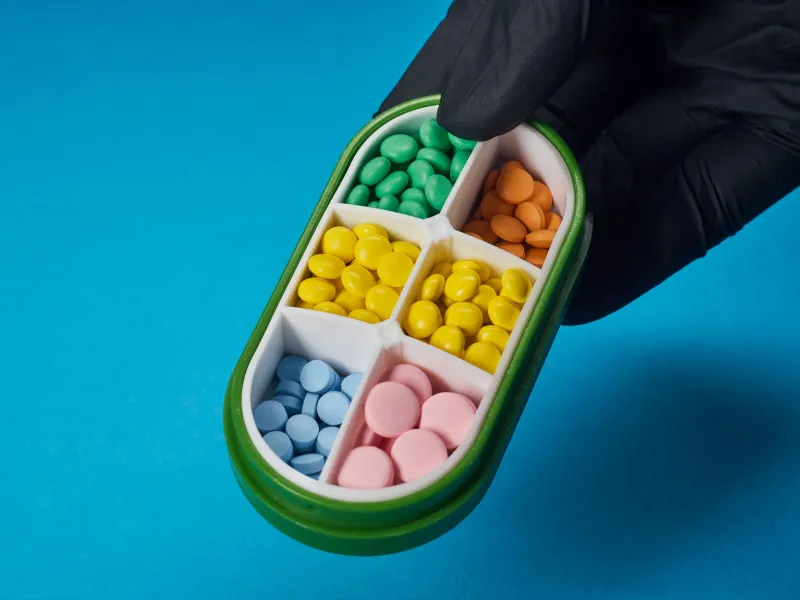
Driving is a divided-attention task. A medicine does not have to be illegal, newly prescribed or taken in excess to make it unsafe. In the UK, the question is not simply whether a tablet is ‘strong’ but whether the person taking it is fit to control a vehicle. That distinction matters in 2026 because medicine labels, pharmacy advice and drug-driving law each approach the same risk from a different direction.
Why ‘prescribed’ is not the same as ‘safe to drive’
UK law does not work by publishing a single list of medicines that drivers must avoid. Drug-driving offences can be investigated where a person’s driving is impaired, and there are also specified limits for certain controlled drugs. The practical point for patients is that a prescription is not a shield. If a medicine makes you drowsy, slows your reactions, blurs your vision or affects your judgement, you may be unfit to drive even if you took it exactly as directed.
This is why the conversation at the pharmacy counter matters. A medicine can be appropriate for treating a condition and still create a driving risk, particularly at the start of treatment, after a dose increase, when combined with alcohol, or when sleep has been poor. The law and clinical advice both point towards the same safe habit: judge fitness to drive, not just the name on the box.
Reading the warning before the warning
Many UK medicine labels carry a phrase such as ‘may cause drowsiness’ or ‘if affected, do not drive or use tools or machines’. Some carry a warning symbol. These are not decorative. They are a prompt to think about the tasks you will do after taking the dose. The patient information leaflet inside the box may give more detail about side effects and interactions, including alcohol.
Labels can be easy to skim when you have collected a prescription in a hurry. It is worth reading the warning at the point of opening the pack, not when you are already holding car keys. If the label says not to drive, that instruction should be followed. If it says you may be affected, the sensible course is to avoid driving until you know how the medicine affects you.
Common medicines that deserve a second look
Sedating antihistamines are a familiar example. Chlorphenamine, diphenhydramine and promethazine are known to cause drowsiness in some people, and they appear in some over-the-counter allergy and cold remedies. Non-sedating antihistamines are less likely to cause drowsiness, but individual responses vary and the label should still be checked.
Opioid painkillers, including codeine-containing products available over the counter and stronger prescription opioids, can affect alertness and reaction time. Benzodiazepines and similar medicines used for sleep or anxiety are well known to impair driving. Some antidepressants, epilepsy medicines, muscle relaxants, anti-nausea medicines and gabapentinoids can also affect fitness to drive, especially during dose changes.
This does not mean people should stop prescribed medicines so that they can drive. Stopping some medicines abruptly can be more dangerous than continuing them. The right step is to ask a pharmacist or prescriber whether the medicine, at the dose being taken, is likely to affect driving, and whether a non-sedating alternative is appropriate.
Alcohol, combinations and the ‘small dose’ trap
Alcohol and sedating medicines are a poor combination even when each is modest on its own. A small glass of wine with a drowsy antihistamine, or a single drink with a prescribed painkiller, can produce effects that neither would produce alone. Labels that warn against alcohol are giving practical advice, not a legal technicality.
Combination products deserve particular care. A cold remedy may contain a sedating antihistamine alongside paracetamol, and a painkiller may contain codeine alongside another ingredient. Reading the active ingredients on the front of the pack, and asking the pharmacy team if unsure, is more reliable than assuming a familiar brand is harmless.
What the DVLA expects — and what it does not
The DVLA is not an approved list of individual medicine doses. Its role includes deciding whether a person is fit to drive on medical grounds, and some medical conditions must be notified. If a condition or its treatment affects your ability to drive safely, seek advice from your GP, specialist or pharmacist. A healthcare professional may advise you to stop driving temporarily while a treatment is started or adjusted.
Drivers should not assume that because a medicine is prescribed, the DVLA has automatically been informed. Nor should they assume that every sedating medicine requires a formal declaration. The key question is whether your medical condition or treatment affects your fitness to drive. If you are unsure, ask before you drive rather than after an incident.
A short script for the pharmacy counter
A brief, specific question is often enough to get useful advice. At the counter, you could say: ‘I am due to drive later today. Does this medicine, at this dose, carry a risk of drowsiness or slowed reactions? How long should I wait before driving? Is there a less sedating alternative that would suit me?’ You can also ask whether the medicine interacts with alcohol and whether your condition itself needs to be considered for DVLA purposes.
Pharmacists are used to these questions. They can check the product, the dose and other medicines you take, and they can explain whether the warning applies to you in practical terms. If the advice is uncertain, the safer choice is not to drive until you have clarity.
Planning the first day or two
When starting a new medicine, or returning to one after a break, arrange for someone else to drive if possible. Do not assume the first dose will be the only one that matters; side effects can appear later or after a dose change. If you feel drowsy, dizzy, confused or unusually slow, hand over the keys. If you notice an unexpected reaction, seek advice from a pharmacist or prescriber and consider reporting it through the Yellow Card scheme.
The ignition question is not about memorising a list of banned medicines. It is about checking the label, noticing how you feel, and asking for advice when the answer is not clear. In 2026, that remains a simple and effective way for UK drivers to reduce risk without turning every prescription into a crisis.