The Patch Is a Delivery System, Not a Sticker: Using Transdermal Medicines Safely in the UK
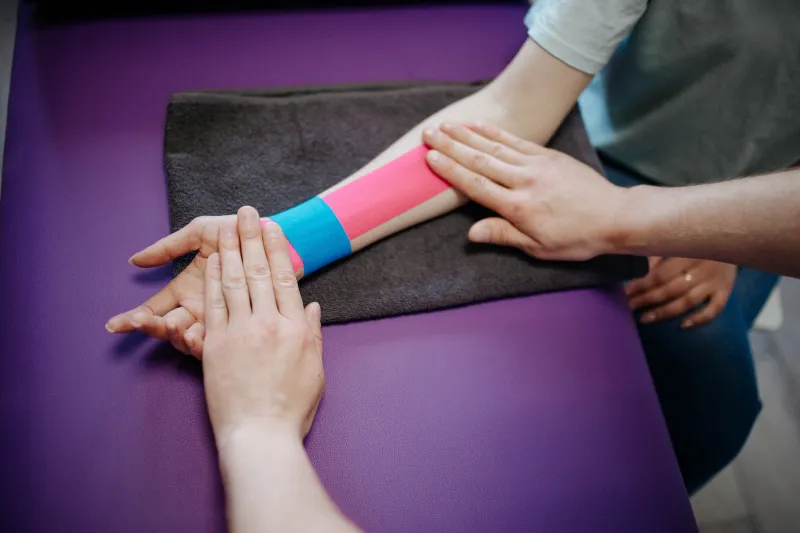
Transdermal patches can look deceptively simple. A small, flexible square is applied to the skin and left in place for a day or a week. Behind that simplicity sits a carefully designed delivery system. The patch is not merely a sticker holding a medicine against the body; it is a way of getting a measured dose into the bloodstream over time. In the UK, patches are prescribed for several purposes, including pain, hormone replacement, nicotine replacement, motion sickness and some neurological conditions. Each product has its own instructions, and those instructions matter.
A different route into the bloodstream
A transdermal patch contains an active medicine held in an adhesive layer, a reservoir or a matrix. When the patch is applied, the medicine passes through the skin and into the circulation. This route avoids the digestive tract, which can be useful when a medicine would be broken down in the stomach or liver, or when a steady level in the blood is preferable to peaks and troughs from tablets.
The patch format does not make a medicine risk-free. It changes the practical questions. How much skin is exposed, how warm the skin becomes, how well the patch sticks and how long it stays in place can all affect absorption. That is why the patient information leaflet, the dispensing label and advice from a pharmacist or prescriber should be read together rather than treated as interchangeable.
Why the site matters
Placement is not a matter of convenience. The manufacturer specifies suitable sites because skin thickness, blood flow and movement differ across the body. Common sites include the upper arm, chest, back, hip or abdomen, but the correct choice depends on the product. Some patches should not be applied to the breasts unless the product is licensed for that use. Others should avoid areas with hair, scars, cuts, grazes, moles or irritated skin.
The skin should usually be clean, dry and cool before application. Lotions, creams, oils and powders can interfere with adhesion, so it is sensible to apply the patch after washing and drying the area, rather than straight after a bath or shower when the skin is warm and damp. Press the patch firmly for the length of time stated in the leaflet, often around 30 seconds, paying attention to the edges.
Rotation without guesswork
Repeatedly applying a patch to exactly the same spot can irritate the skin and reduce adhesion. Many products therefore recommend rotating sites, leaving several days before returning to the same area. The exact interval varies: a patch changed daily has different rotation needs from one changed weekly. Patients and carers should follow the specific schedule in the leaflet rather than inventing one.
A simple written record can help. Noting the date, time and site of each application makes rotation easier and gives a pharmacist useful information if skin reactions or adherence problems arise. It also reduces the risk of leaving an old patch in place when a new one is applied.
Heat, skin and absorption
Heat can change how quickly medicine crosses the skin. A hot bath, sauna, electric blanket, heat pad, fever or strenuous exercise may increase skin blood flow and, for some patches, increase absorption. The clinical importance varies by medicine. For some products, the leaflet advises avoiding direct heat on the patch area. Patients should not assume that warmth is harmless just because the patch is stuck down.
Skin condition matters too. Eczema, psoriasis, sunburn, shaving irritation or excessive sweating can affect how well a patch adheres and how much medicine is absorbed. If the skin under or around a patch becomes persistently red, itchy, blistered or painful, the patch should be removed and advice sought. A mild transient redness after removal is common with some products, but worsening or spreading reactions deserve assessment.
When the patch will not stay put
Adhesion problems are common in everyday use, particularly in hot weather, during exercise or on areas that flex. A patch that lifts at the edges may not deliver the intended dose. Patients should check the leaflet before using tape or dressings over a patch, because some additional coverings can affect delivery or irritate the skin. A pharmacist can advise on suitable options for a particular product.
If a patch falls off, do not simply apply a new one on top of the old schedule without checking the instructions. The leaflet will say whether a detached patch can be reapplied, whether a new patch should be used and when the next dose is due. Repeated adhesion failure is worth reporting, as it may indicate that a different formulation or product would be more suitable.
The clock, the calendar and the missed dose
Patches are changed on a schedule. Some are daily, some twice weekly, some weekly. Leaving a patch on longer than directed can increase exposure to the medicine; removing it early can reduce it. The change time should be recorded, especially when several medicines are in use or when a carer is helping.
If a dose is missed, the patient information leaflet is the first place to check. General advice is not enough because patches differ. A common approach is to apply the missed patch as soon as it is remembered, unless it is nearly time for the next one, and then continue the usual schedule. Doubling up by wearing two patches is not a sensible response unless a clinician has specifically advised it.
Removal and disposal
Used patches still contain active medicine. They should be removed carefully, with the adhesive sides folded together, and kept out of reach of children and pets. Many UK community pharmacies accept returned medicines for safe disposal, and patients should ask at the counter if they are unsure. Flushing patches down the toilet or placing them loosely in household waste is not appropriate.
Before applying a new patch, remove the old one unless the product instructions say otherwise. Check the skin for irritation and note the site. If a patch is due to be removed at a particular time, setting a phone reminder can help, particularly for weekly products.
What to ask at the counter
A short conversation at the pharmacy can prevent many problems. Patients may wish to ask where the patch should go, how often the site should be changed, whether heat should be avoided, what to do if it lifts, and how to dispose of used patches. For carers, it is worth asking how to record applications when several people are involved in personal care.
Transdermal medicines are convenient, but they rely on the skin being treated as part of the delivery system. Correct placement, sensible rotation, awareness of heat and skin changes, and safe disposal are not optional extras. They are the practical measures that help a patch do its job in ordinary UK homes, not just in a clinical trial.