Straight Answers: A 2026 FAQ for Pharmi-Med Readers

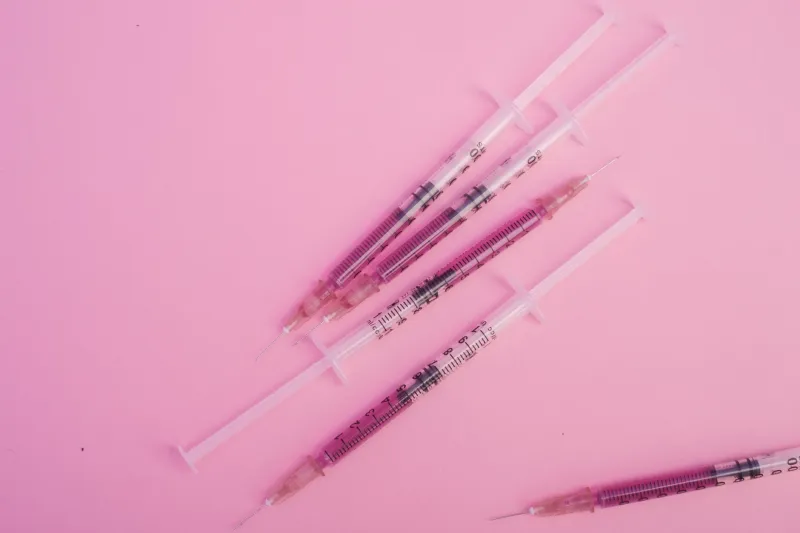
Photo by Photo by Mangopear creative on Unsplash on Unsplash
What is Pharmi-Med?
Pharmi-Med is a UK-focused health website that explains pharmaceutical and medical information in clear, plain English. We cover treatments, industry updates and health literacy for patients and professionals. Our editorial team writes through a UK lens, with reference to NHS services, Medicines and Healthcare products Regulatory Agency (MHRA) guidance and the realities of community pharmacy practice. We are not a healthcare provider, and we do not offer personalised medical advice.
Who writes for Pharmi-Med?
Our articles are written by health and pharmaceutical writers who specialise in translating complex topics for a general audience. Every piece is reviewed for accuracy against published UK guidance before it goes live. We do not name individual clinicians on the site, but our editorial process draws on established sources such as the British National Formulary (BNF), NHS.uk, MHRA safety updates and peer-reviewed journals.
Can I use Pharmi-Med instead of seeing a doctor or pharmacist?
No. Pharmi-Med is an information resource, not a substitute for professional clinical advice. If you have symptoms that concern you, a suspected adverse reaction or a question about your own medicine, speak to a pharmacist, call NHS 111 or contact your GP. In an emergency, call 999. Our articles are designed to help you understand the system and ask better questions — not to replace the system itself.
How do I know the information is up to date?
Each article carries a publication date, and we review content when UK guidance changes. Where a topic is evolving — for example, new medicine approvals or changes to prescription charges — we state the date of the information. The date at the top of this page is 27 November 2026. If you are reading an older article, check the date and consider whether guidance may have moved on. When in doubt, the MHRA and NHS.uk are the authoritative sources.
What should I do if I think I have had a side effect?
Report it. The UK Yellow Card scheme, run by the MHRA, collects reports of suspected side effects from patients, carers and healthcare professionals. You can report online at yellowcard.mhra.gov.uk or ask a pharmacist for a paper form. Reporting helps regulators spot patterns that may not appear in clinical trials. You should also seek medical advice if the reaction is serious or worrying. Our article on the Yellow Card journey explains what happens after a report is submitted.
Where can I find out about NHS prescription charges in England?
NHS prescription charges apply in England only; Scotland, Wales and Northern Ireland have different arrangements. In England, the charge per item is set annually, and there are exemptions and prepayment certificates that can reduce costs. Our 2026 guide to NHS prescription charges explains the current charge, who is exempt and how prepayment works. Always check the official NHS website for the latest figure, as charges usually change in April.
How can I check whether an online pharmacy is legitimate?
In the UK, legitimate online pharmacies must be registered with the General Pharmaceutical Council (GPhC) and display their registration number. You can verify a pharmacy on the GPhC register. Be wary of sites that offer prescription-only medicines without a prescription or that lack a UK registered address. Our guide to verifying a UK online pharmacy sets out the checks to make before you buy.
Why do you use UK spelling and terminology?
Because our audience is in the UK. We use spellings such as 'paracetamol' rather than 'acetaminophen', 'pharmacy' rather than 'drugstore', and we refer to NHS structures, MHRA regulation and UK law. This is deliberate: medicine information is not interchangeable across countries. A leaflet written for the US market may use different brand names, different dosing conventions and different regulatory warnings. We aim to keep our content aligned with UK practice.
Do you accept advertising or sponsorship?
Pharmi-Med is editorially independent. Any commercial relationships are disclosed clearly, and they do not influence our editorial content. We do not accept payment to promote specific medicines or to alter the substance of our articles. If we ever publish sponsored content, it is labelled as such.
How can I suggest a topic or ask a question?
We welcome suggestions from readers. If there is a UK medicine topic you would like explained, or a question you think we should address, use the contact details on our website. We cannot answer individual clinical queries, but we do read suggestions and use them to shape future articles. Many of our pieces begin with a question a reader has asked.
What does 'health literacy' mean on this site?
Health literacy is the ability to find, understand and use health information to make decisions. It is not about being intelligent or well educated; it is about how clearly information is presented and how well the system supports people. Our Health Literacy category covers practical skills such as reading a medicine label, understanding risk, choosing the right measure for a liquid medicine and knowing when to seek help. We believe clear information is a safety issue, not a luxury.
A final note
If you are unsure about anything you have read here, ask a pharmacist. Community pharmacies in the UK offer confidential advice without an appointment, and Pharmacy First services in England mean you can get help for certain common conditions directly from a pharmacist. Pharmi-Med exists to support that conversation, not to replace it.