The Cup Beside the Blister Pack: A Measured Guide to Drinks and Medicines in the UK
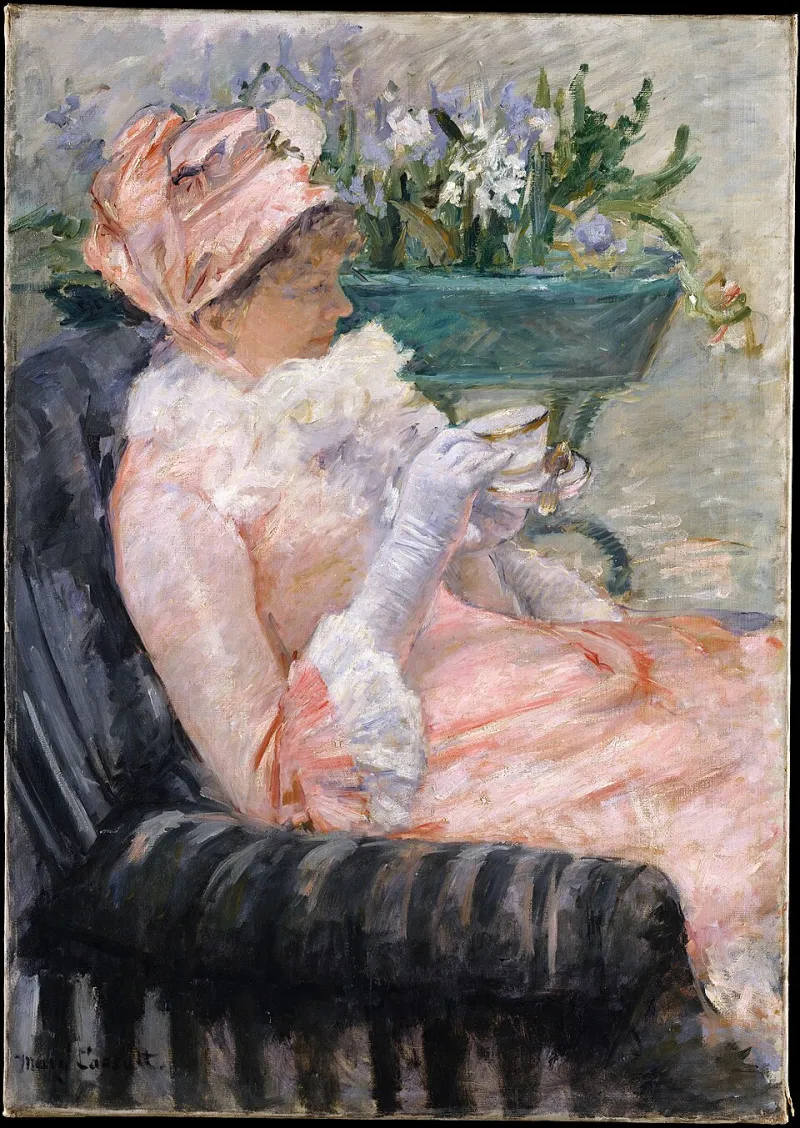
Photo: Mary Cassatt, CC0, via Wikimedia Commons
Most people in the UK swallow their tablets with whatever is in the nearest cup. That is understandable. The instruction to take a medicine 'with water' is so common that it can fade into the background, and the drinks we have with meals or at bedtime rarely feel like part of the treatment. Yet for a small number of medicines, the liquid alongside the dose matters. The aim of this guide is not to turn every cup of tea into a source of anxiety. It is to separate the interactions that are well documented from those that are repeated more often than they are evidenced, and to give UK patients a short list of points worth checking at the pharmacy counter.
Why the drink beside the dose deserves a second look
Medicines are formulated on the assumption that they will be taken in a predictable way. The stomach and gut are the first barriers any swallowed tablet meets, and what else is present there — food, fluid, other medicines — can influence how quickly a drug dissolves, how much is absorbed, and whether it causes local irritation. Water is the usual default because it is neutral, widely available and unlikely to interfere. Other drinks are not automatically dangerous, but they are less predictable. That is why the patient information leaflet inside the box, and the label on the outside, remain the first places to look. In the UK, the Medicines and Healthcare products Regulatory Agency requires these documents to set out known interactions, and a pharmacist can interpret them for an individual patient.
When water is the default — and why
For most medicines, tap water is the simplest choice. It does not bind to the drug, add calories or caffeine, or alter stomach pH in a meaningful way. Some tablets are designed to be taken with a full glass of water to reduce the risk of sticking in the oesophagus — alendronic acid for osteoporosis is a well-known example, and the label usually specifies water only, taken on an empty stomach and followed by staying upright for a set period. Other medicines, such as some modified-release preparations, should not be crushed or chewed, and taking them with a thick or acidic drink can complicate the intended release pattern. None of this means that a sip of tea after a tablet is a crisis. It means that when a label is specific, the specificity is there for a reason.
Grapefruit juice: the interaction with a clear evidence base
Grapefruit juice is the drink most often discussed in medicine information, and here the concern is genuine. It contains furanocoumarins that inhibit an enzyme in the gut wall called CYP3A4, which normally breaks down a range of drugs before they reach the bloodstream. When that enzyme is inhibited, blood levels of affected medicines can rise, sometimes substantially. In UK practice, the medicines most commonly associated with this effect include certain statins such as simvastatin, some calcium-channel blockers such as amlodipine, and certain immunosuppressants. The effect is not the same for every medicine in a class, and it depends on the amount and timing of the juice. For patients taking a medicine with a known grapefruit interaction, the usual advice is to avoid grapefruit juice, and sometimes whole grapefruit, for the duration of treatment. Seville oranges and pomelos can have similar effects. This is a conversation worth having with a pharmacist rather than a reason to avoid all fruit.
Tea and coffee: caffeine, tannins and timing
Tea and coffee are everyday drinks in the UK, and for most medicines they are not a significant problem. The main issues are timing and specific ingredients. Tea contains tannins, which can bind to iron in the gut and reduce absorption. For someone taking ferrous sulphate or another oral iron preparation for anaemia, taking the tablet with a strong cup of tea is not ideal; water or a source of vitamin C, such as a small glass of orange juice, is usually preferred. Coffee and tea also contain caffeine, which can add to the stimulant effects of some medicines and can affect sleep if taken late in the day. For medicines with a narrow therapeutic index, such as theophylline, caffeine intake is sometimes discussed with the prescriber. Otherwise, the practical advice is simple: if the label says water, use water; if it does not, keep tea and coffee moderate and consistent, and mention any palpitations or sleep changes to the pharmacist.
Milk and mineral water: the calcium question
Milk is often assumed to coat the stomach and protect against irritation, but it can interfere with absorption of some antibiotics. Tetracyclines and quinolones, such as ciprofloxacin, bind to calcium and other minerals in milk, yoghurt and some mineral waters, reducing the amount of drug that reaches the bloodstream. The label usually advises taking these medicines with water and separating them from dairy products by a few hours. Mineral water is not automatically safer: some brands are high in calcium, and the same chelation issue can apply. For most other medicines, a splash of milk in tea is not a concern, but a large glass of milk with a tetracycline is worth avoiding.
Alcohol: more than a liver issue
Alcohol is a drink, but in this context it is also a drug. It can add to the sedative effects of benzodiazepines, opioid painkillers and some antihistamines, increasing drowsiness and the risk of falls. It can affect blood sugar control in people with diabetes and can worsen the stomach irritation caused by NSAIDs such as ibuprofen. With metronidazole, a well-known disulfiram-like reaction can occur, and the advice is to avoid alcohol during treatment and for a short period afterwards. With warfarin, heavy or variable alcohol intake can disturb anticoagulation control. None of this requires total abstinence for everyone, but it does mean that a glass of wine with dinner is a relevant detail when a new medicine is started. The pharmacy counter is a good place to ask whether the prescribed medicine changes the usual advice about alcohol.
A practical checklist for the pharmacy counter
Before leaving the pharmacy, it is reasonable to ask a few short questions. Does this medicine need to be taken with water only? Should it be taken with food or on an empty stomach? Are there any drinks — grapefruit juice, milk, alcohol — that should be avoided or spaced out? Is there a known interaction with tea, coffee or mineral water? And if a dose is missed, what should be done? These questions take a minute and can prevent a lot of uncertainty. The patient information leaflet is written for this purpose, and the pharmacist can translate it into advice for a particular routine.
The bottom line
For most UK medicines, the drink in the other hand is not a major clinical issue. Water remains the safest default, especially when the label is specific. Grapefruit juice is the interaction with the strongest evidence base, and milk with certain antibiotics is another well-established example. Tea, coffee and alcohol matter more at the margins — through timing, caffeine load or additive sedative effects — than as blanket prohibitions. The sensible approach is neither to ignore the cup nor to fear it, but to treat the label and the pharmacist as the two most reliable sources of advice.