The Clock Starts at Opening: Expiry Dates and In-Use Limits on UK Medicines
The date on a medicine carton is often treated as the single measure of whether a product is safe to use. In practice, it is one date among several. For many UK medicines, especially eye drops, oral liquids and some inhalers, the relevant question is not only when the pack expires but how long the product remains suitable once it has been opened, prepared or first used. Understanding that distinction helps patients avoid using medicines that have deteriorated, become contaminated or simply ceased to be reliable.
Two dates, two different questions
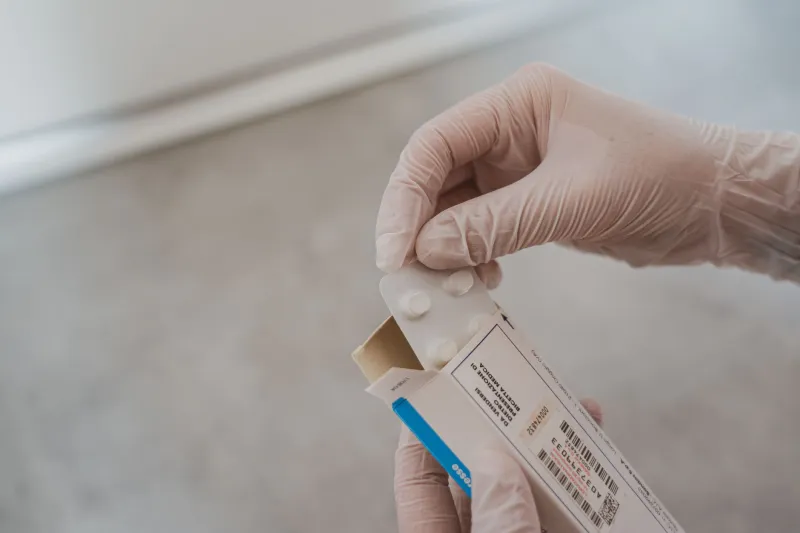
The expiry date printed on the outer carton and the label is usually the end of the shelf life for the unopened product, provided it has been stored as directed. It is commonly expressed as a month and year, and the product should not be used after the last day of that month unless the patient information leaflet says otherwise.
The in-use date is different. It starts when the container is first opened, when a powder is mixed into a liquid, or when a product is otherwise prepared for use. Not every medicine has an in-use limit. Tablets in blister packs, for example, normally remain valid until the printed expiry date if kept dry and in their original packaging. But eye drops, some creams, reconstituted antibiotics and certain liquid preparations often have a shorter window once the seal is broken.
This is why a box that looks perfectly in date may still contain a medicine that should be discarded. The carton date answers one question: has the unopened product passed its shelf life? The leaflet and pharmacy label answer another: how long is it suitable after opening or preparation?
Why opening changes the clock
A sealed medicine is protected by its container, its formulation and, in some cases, a preservative system. Opening the container introduces air, moisture and micro-organisms. It can also allow evaporation or expose the product to light. For multi-dose eye drops, the preservative can become less effective over time, and the dropper tip can pick up contamination from the eye or skin. For liquid medicines, the formulation may be stable for months in its sealed bottle but only weeks once the bottle is in everyday use.
Storage conditions matter as much as opening. A bathroom cabinet may seem a natural home for medicines, but warmth and humidity can shorten shelf life. A kitchen windowsill, a car glovebox or a refrigerator that is colder than recommended can also affect products. The patient information leaflet is the proper place to check whether a medicine should be kept below 25°C, stored in a refrigerator, protected from light or kept in its original container.
Eye drops: the 28-day convention and its exceptions
Eye drops are the clearest example of an in-use limit. Many multi-dose eye drops in the UK should be discarded 28 days after first opening, even if the printed expiry date has not passed. This convention exists because of the risk of microbial contamination once the bottle has been used. The date of opening should be written on the bottle, and the product should be discarded at the end of the stated period.
There are exceptions. Preservative-free eye drops may have a shorter in-use life, and single-use units should be used once and then thrown away. Some products have specific instructions in the leaflet that differ from the 28-day rule. Patients should not assume that all eye drops follow the same timetable, particularly if they have been supplied a preservative-free preparation or a specialised product from a hospital clinic.
Liquids and oral suspensions
Oral liquids can also have a short life after opening or reconstitution. Antibiotic suspensions are a common example: some are supplied as a powder that must be mixed with water by the pharmacy, and the resulting suspension may need to be used within a specified number of days. That period may be seven, fourteen or twenty-eight days depending on the product, and it should be stated on the pharmacy label and in the patient information leaflet. Some require refrigeration; others should be kept at room temperature. Assuming that every antibiotic syrup belongs in the fridge, or that every bottle lasts until the carton date, can lead to either premature disposal or use of a product that is no longer suitable.
Other liquid medicines, including some antacids, laxatives and specialist preparations, may carry in-use instructions after opening. Where no in-use period is given, the printed expiry date generally applies, provided the bottle has been stored correctly and the medicine has not become discoloured or otherwise changed.
Inhalers and devices
Inhalers are often handled differently. Most pressurised metered-dose inhalers and dry-powder inhalers do not carry a 28-day rule after opening. They can usually be used until the printed expiry date if stored correctly and if the device is working properly. However, some products have specific requirements, and the leaflet should always be consulted. Dose counters and indicators can help patients see when a device is empty, but they do not replace the expiry date. A device that has been stored in a hot place, damaged or exposed to moisture may be unreliable even before its date.
When to discard a medicine before its date
A medicine should be discarded if it has passed its in-use date, if the packaging has been damaged, if the seal was broken some time ago and the leaflet gives a shorter limit, or if the product looks or smells different from usual. Visible particles in a liquid, cloudiness in a clear solution, a change in colour, a strange odour or a damaged dropper tip are all reasons to stop using it. A medicine that has been stored in unsuitable conditions, such as a hot car or a damp bathroom, may also have deteriorated before its printed date.
Unlabelled medicines, medicines removed from their original container and products with missing patient information should not be used. Returning unwanted medicines to a community pharmacy is the usual route for safe disposal in the UK. Patients should not flush medicines down the toilet or place them in household waste unless the label or pharmacy specifically advises it.
A practical routine for UK households
A simple routine reduces uncertainty. When opening a medicine that has an in-use limit, write the opening date on the container. Keep the patient information leaflet with the product rather than throwing it away with the outer carton. Store medicines in a cool, dry place away from children, and follow any refrigeration instruction exactly. At regular intervals, review the household supply and remove anything that has expired, passed its in-use date or changed in appearance. Repeat prescriptions should not be stockpiled beyond need, since unused packs create both waste and confusion.
The printed date remains important, but it is not the whole story. For many medicines, the safer question is not simply whether the box is in date, but whether the product is still within its in-use life, has been stored correctly and remains visibly suitable for use. When in doubt, a community pharmacist can advise on the particular product and the appropriate disposal route.