The Counter Before the Clinic: A 2026 Guide to Pharmacy First in England

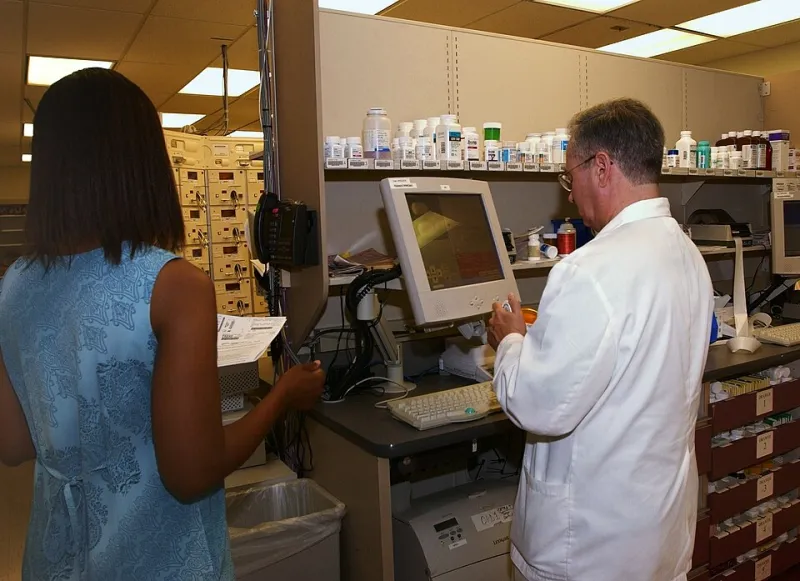
Photo: community pharmacy consultation UK pharmacist patient private area stock photo, via static0.gamerantimages.com
The high street pharmacy has become a more prominent part of the NHS front door. Since Pharmacy First went live in England in 2024, community pharmacists have been able to assess and treat a defined set of common conditions, supplying prescription-only medicines where appropriate under patient group directions. By 2026, the service is familiar to many patients, but it is still often misunderstood. It is neither a general replacement for the GP nor a limited counter service for plasters and paracetamol.
The practical question is not whether pharmacy is better or worse than general practice. It is which service is right for the problem in front of you. Pharmacy First works best for specific, uncomplicated conditions within its clinical pathways. General practice remains the appropriate route for ongoing, complex or undiagnosed problems. Emergency departments and 999 remain the route for life-threatening symptoms.
What Pharmacy First covers in England
The NHS Pharmacy First service in England covers seven common conditions:
- acute otitis media, or earache, in children and young people aged 1 to 17
- impetigo in people aged 1 and over
- infected insect bites in people aged 1 and over
- shingles in people aged 18 and over
- acute sinusitis in people aged 12 and over
- acute sore throat in people aged 5 and over
- uncomplicated urinary tract infection in women aged 16 to 64
Within those pathways, a pharmacist can assess symptoms, offer self-care advice, supply an NHS medicine where clinically appropriate or refer the patient elsewhere. The medicine may be an antibiotic or antiviral, supplied under a patient group direction rather than a traditional prescription. Not every pharmacy provides the service, so it is worth checking the NHS website or calling ahead. Arrangements also differ in Scotland, Wales and Northern Ireland, where community pharmacy services have their own local frameworks.
How a consultation works
A Pharmacy First consultation is not a hurried conversation at the till. It should take place in a private area, with the patient's consent. The pharmacist will ask about symptoms, how long they have been present, relevant medical history, allergies and other medicines. For some conditions, they may examine the ear, throat or skin, or ask to see a photograph of a rash or bite.
The pharmacist follows a clinical pathway and checks for red flags that fall outside the service. If the picture is straightforward, they may supply a medicine and explain how to take it, what side effects to expect and when to seek further help. If the presentation is uncertain, atypical or outside the age range, they should refer the patient to general practice, NHS 111 or urgent care. The consultation is recorded, and relevant information may be shared with the patient's GP so that the record remains joined up.
What the pharmacist cannot do
Pharmacy First is not a general minor-ailments scheme covering every possible problem. It does not replace the GP for chronic disease management, complex multimorbidity, suspected cancer, mental health assessment or long-term prescribing. Community pharmacists cannot order blood tests or X-rays, and they cannot provide a full diagnostic work-up. They also cannot issue repeat prescriptions for conditions outside the agreed pathways.
The service is equally not an emergency service. A pharmacist can recognise urgent symptoms and direct someone to the right place, but a patient with severe breathing difficulty, signs of sepsis, chest pain, sudden weakness or a serious allergic reaction should call 999 or go to an emergency department rather than wait for a pharmacy consultation.
Red flags: when to choose another service
Some symptoms sit outside Pharmacy First even when the underlying condition sounds familiar. A sore throat with difficulty breathing or swallowing, drooling, a muffled voice, neck stiffness or severe dehydration needs urgent assessment. Earache with swelling or redness behind the ear, facial weakness or severe headache should not be managed at the pharmacy counter. Suspected shingles affecting the eye, or shingles in someone who is immunocompromised, needs prompt medical review.
For urinary symptoms, men, pregnant women, children and people with kidney pain, fever, confusion or a catheter should not use the uncomplicated UTI pathway. Impetigo that is widespread, or accompanied by feeling unwell, may need GP assessment. An infected insect bite with spreading redness, systemic symptoms or signs of cellulitis also warrants further review. Sinusitis with swelling around the eye, visual changes or severe headache is a red flag.
NHS 111 can help when the right service is unclear. Urgent treatment centres can manage many injuries and urgent but non-life-threatening problems. General practice remains the home for persistent, recurrent or unexplained symptoms.
Preparing for a pharmacy consultation
A little preparation makes the conversation more useful. Bring a list of current medicines, including over-the-counter products and supplements. Note allergies and any previous reactions to antibiotics. Be ready to describe when symptoms started, how they have changed and whether there is fever, pain or discharge. For skin problems, a clear photograph taken in good light can help. Mention pregnancy, breastfeeding and significant medical conditions.
It is also reasonable to ask questions. Patients can check whether the pharmacy offers NHS Pharmacy First, whether the consultation will be private and what will happen if the pharmacist decides a GP referral is needed. Medicines supplied under the NHS service are not subject to the standard prescription charge in England, but patients should ask the pharmacy if they are unsure about costs or eligibility.
The broader message for 2026 is one of navigation rather than substitution. Pharmacy First gives patients a faster route to clinical advice for a defined list of common conditions. It does not make the GP redundant, and it does not turn every pharmacy visit into a diagnosis. Used well, it adds a convenient first port of call while preserving general practice and emergency care for the problems they are best placed to handle.