After the Course: What Happens to Unused NHS Medicines in the UK
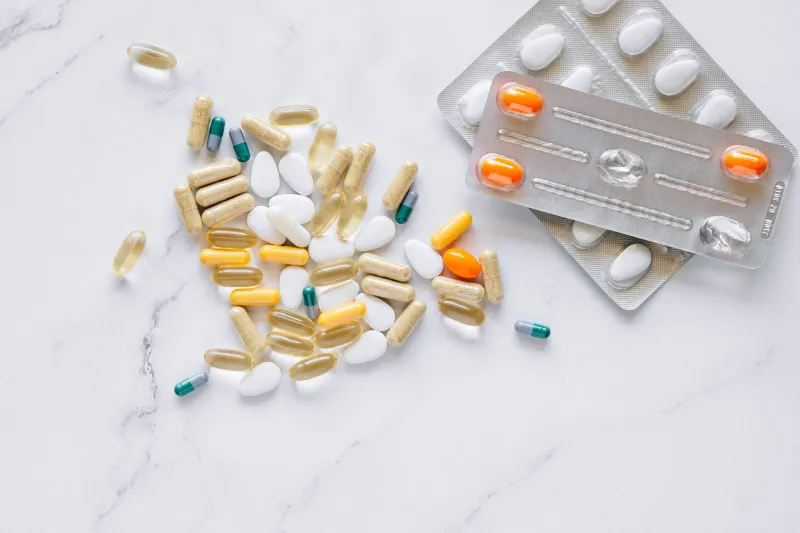
Most UK homes contain a small archive of medical optimism. There is the inhaler from a winter chest infection, the cream that was used twice, the tablets from a course that was changed, and the box that was ordered on repeat because it seemed easier than questioning whether it was still needed. None of this is unusual. It is what happens next that matters.
Unused medicines are not simply clutter. They can be a safety risk in the home, a source of environmental concern if disposed of badly, and a quiet sign that a repeat prescription or treatment plan may need review.
The drawer as a record of good intentions
People keep medicines for understandable reasons. Symptoms change, side effects appear, hospital discharge letters bring new products, and repeat prescriptions continue to arrive because nobody has paused them. A medicine may be kept in case the problem returns, or because throwing away a prescribed item feels wasteful.
That instinct is not foolish. The problem is that a bathroom cupboard is a poor storage system. Heat and moisture can affect some medicines, labels become unreadable, and packages from different household members get mixed together. Without a clear routine, it becomes difficult to know what is current, what has expired and what should never be taken again.
The first step is to separate safety from sentiment. Keeping a medicine because it was expensive or because it was prescribed by a doctor does not make it appropriate to use later. Medicines are prescribed for a particular person, at a particular dose, for a particular clinical reason.
Why returning medicines is not the same as throwing them away
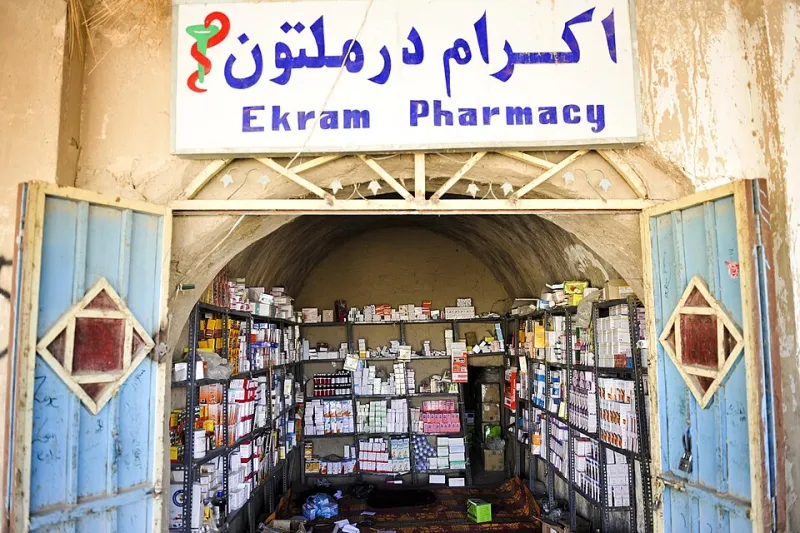
In the UK, community pharmacies can accept returned household medicines for safe disposal. The exact arrangements vary, so it is sensible to ask your local pharmacy what it accepts and how it prefers items to be presented. Some pharmacies have a designated medicines waste bin; others may ask you to speak to a member of staff first.
Medicines should not generally be put in household waste or flushed down the toilet. Doing so can create a risk of accidental ingestion by children, pets or others, and it can contribute to environmental contamination. Liquid medicines, creams, inhalers and tablets all need appropriate disposal.
There are practical exceptions and special cases. Controlled drugs may require specific handling, and some pharmacies may have particular arrangements for certain products. Sharps, such as needles, are not household medicines and should be handled through the local sharps disposal service or as directed by a clinician. If you are unsure, ask a pharmacist rather than improvising.
Privacy is another consideration. Prescription labels can contain personal information. If you are concerned about this, ask the pharmacy whether labels should remain on the packaging for identification or whether personal details should be obscured. Do not remove safety information from the container before you arrive.
From cupboard to compliant disposal
When medicines are returned to a pharmacy, they are placed in designated waste containers. These are collected by licensed waste contractors and taken to permitted facilities for destruction, usually by incineration. Returned medicines are not resold or donated. The purpose of the system is to keep unwanted medicines out of circulation and out of the general waste stream.
That journey matters because it closes a loop that would otherwise be left to the household. A returned medicine is no longer available to be taken by mistake, shared informally or discovered by a child. It is also less likely to end up in landfill or in watercourses.
Incineration is not without environmental cost, which is why prevention remains preferable. The most sustainable unused medicine is the one that was not ordered unnecessarily in the first place. That does not mean patients should avoid prescribed treatment; it means repeat prescriptions deserve periodic review.
A realistic system for keeping the drawer under control
A useful system should be simple enough to maintain. Choose one small container for medicines currently in use and one bag or box for items awaiting return. Keep them separate. Review the in-use container every few months, perhaps when the clocks change or when a repeat prescription is due.
Check expiry dates and labels. If a medicine has expired, is discoloured, has a damaged container or is no longer identifiable, set it aside for pharmacy return. Keep patient information leaflets with the medicine where possible; they can help pharmacy staff and can remind you of storage requirements.
Before ordering a repeat, ask whether the medicine is still needed and whether the dose or product has changed. In England, the NHS App and GP online services can help patients see repeat prescriptions; in Scotland, Wales and Northern Ireland, the available systems differ, so ask your GP surgery or pharmacy what applies locally. A pharmacist can also review how medicines are being used and whether repeats can be synchronised.
Avoid stockpiling. It is tempting to order early before a holiday or a busy period, but unnecessary extra packs tend to become tomorrow's disposal problem. If you are worried about supply, speak to your pharmacy about realistic arrangements rather than building a personal reserve.
Finally, never share medicines with anyone else, even if the symptoms seem similar. A medicine that was appropriate for one person may be unsafe for another. If you are unsure what to do with a particular item, take it to a pharmacy and ask. The drawer of almost-medicine will always exist in some form, but it does not need to become a permanent, unexamined risk.